
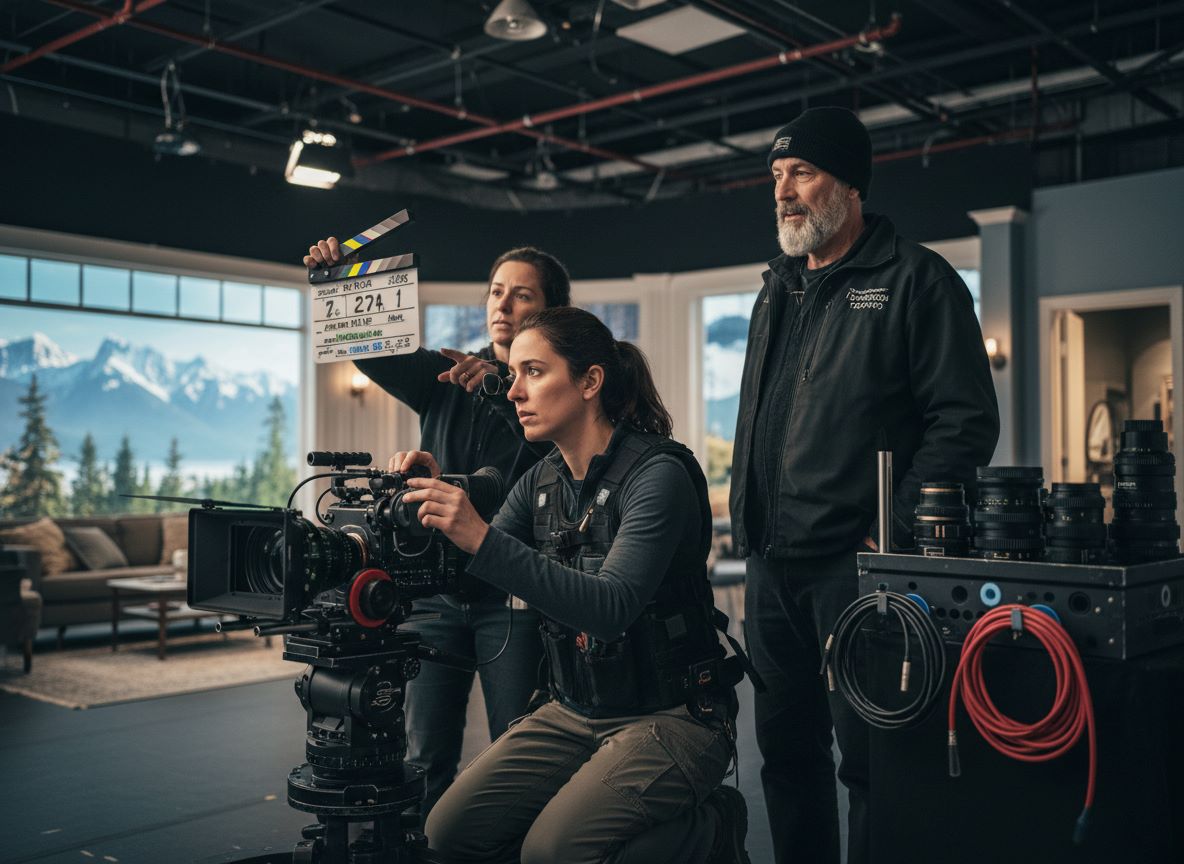
The 1st Assistant Camera position represents one of the most critical technical roles in Canadian film production, serving as the precision backbone that keeps every shot razor-sharp and professionally executed. From the bustling soundstages of Toronto’s Pinewood Studios to the mountain vistas of Vancouver’s location shoots, 1st ACs handle the demanding responsibilities of focus pulling, lens calibration, and camera system management that can make or break a production’s visual quality.
Canada’s thriving film industry, anchored by major production hubs in Toronto and Vancouver, has created unprecedented demand for skilled camera department professionals who understand both the technical intricacies of modern digital cinema and the fast-paced collaborative nature of professional sets. As productions increasingly rely on high-end camera systems like ARRI Alexa and RED cameras, producers seek 1st AC candidates who combine technical mastery with the soft skills necessary to thrive under pressure.
Core Technical Skills for 1st AC Roles
Canadian film producers prioritize candidates who demonstrate comprehensive technical expertise across the full spectrum of camera department responsibilities. The modern 1st AC must navigate increasingly complex camera systems while maintaining the precision timing that separates amateur work from professional production standards.
Technical proficiency encompasses both the mechanical understanding of camera systems and the artistic sensibility required to support the director of photography’s creative vision. Producers look for candidates who can seamlessly transition between different camera platforms and adapt quickly to the specific requirements of each production.
- Mastery of professional camera systems including ARRI Alexa Mini, RED Komodo, and Sony FX series with complete understanding of menu systems and recording formats
- Advanced lens calibration techniques for both vintage and modern optics, including proper use of lens mapping tools and focus charts
- Wireless follow focus operation with systems like Preston MDR and Teradek RT, including troubleshooting signal interference issues
- Monitor calibration and on-set color management workflows for accurate image assessment during principal photography
- Understanding of metadata management and file naming conventions critical for post-production workflow efficiency
- Proficiency with camera support systems including jibs, dollies, Steadicam rigs, and gimbal stabilizers
Mastering Focus Pulling Techniques
Focus pulling represents the most visible and pressure-intensive aspect of 1st AC work, requiring split-second timing and unwavering concentration throughout long shooting days. Canadian producers specifically value candidates who can maintain sharp focus even during complex camera movements, actor improvisation, and the inevitable on-set variables that challenge even experienced professionals.
The ability to read actor movements, anticipate timing changes, and execute smooth focus transitions separates competent 1st ACs from exceptional ones. Producers look for candidates who demonstrate consistent accuracy under pressure and can work effectively with both marked rehearsals and spontaneous performance adjustments.
Gear Maintenance and Setup Proficiency
Equipment management extends far beyond basic operation, encompassing the systematic care and preparation that ensures smooth production workflows. Canadian producers value 1st ACs who approach gear maintenance with professional rigor and can troubleshoot technical issues before they impact shooting schedules.
The methodical approach to camera rig preparation directly impacts production efficiency and equipment longevity. Producers appreciate candidates who understand that proper maintenance protocols protect significant equipment investments while preventing costly delays.
- Complete camera inspection including sensor cleaning, port functionality checks, and battery system verification
- Lens mounting and calibration with proper torque specifications and optical alignment confirmation
- Follow focus system installation including motor mounting, gear engagement, and wireless signal testing
- Monitor mounting and signal chain verification from camera through to on-set displays
- Cable management and strain relief installation to prevent damage during camera movements
- Final system check including recording format confirmation and backup storage verification
Essential Soft Skills Producers Prioritize
Beyond technical competency, Canadian producers increasingly emphasize the interpersonal and organizational skills that enable smooth collaboration within the camera department and across the broader production team. The 1st AC position requires constant communication with multiple departments while maintaining focus on precision technical work.
The ability to remain calm under pressure while facilitating clear communication between the camera operator, director of photography, and supporting crew members can significantly impact both the quality of footage captured and the overall efficiency of the production process.
| Skill | Why Producers Value It | Canadian Set Example |
|---|---|---|
| Calm Under Pressure | Maintains focus accuracy during critical takes | Steady performance during Vancouver night exterior shoots |
| Clear Communication | Prevents misunderstandings in fast-paced environments | Coordinating with bilingual crews on Quebec co-productions |
| Proactive Problem-Solving | Reduces production delays and equipment downtime | Quick troubleshooting during Toronto winter location shoots |
| Team Collaboration | Ensures smooth workflow across departments | Working with VFX supervisors on British Columbia studio productions |
| Detail Orientation | Maintains technical standards throughout long days | Consistent lens care during multi-week Alberta location shoots |
| Adaptability | Handles changing production requirements efficiently | Switching between documentary and narrative workflows |
Communication and Teamwork on Set
Effective communication within the camera department requires understanding the distinct responsibilities and working styles of camera operators, 2nd ACs, and digital imaging technicians. Canadian producers value 1st ACs who can facilitate clear information flow while respecting the hierarchical structure that enables efficient decision-making during time-sensitive production moments.
The collaborative nature of Canadian productions, particularly on the co-production projects common in Toronto and Vancouver, demands cultural sensitivity and the ability to work effectively with international crew members. Successful 1st ACs demonstrate emotional intelligence that contributes to positive set environments while maintaining technical standards.
Building strong working relationships with camera operators proves especially crucial, as this partnership directly impacts the quality of footage captured and the efficiency of complex shooting scenarios. Producers appreciate candidates who understand that supporting the camera operator’s work requires both technical skill and intuitive timing developed through experience and careful observation.
Experience Pathways Valued in Canada
Canadian producers recognize that exceptional 1st ACs typically develop their skills through specific career pathways that provide both technical training and practical set experience. The journey from camera department newcomer to trusted 1st AC requires strategic career planning and deliberate skill development across multiple production environments.
Understanding the Canadian film industry’s unique structure, including the relationship between union productions, independent projects, and commercial work, helps aspiring 1st ACs navigate career advancement opportunities. Producers value candidates who demonstrate commitment to professional development while building the diverse experience base necessary for handling varied production demands.
The most successful career pathways combine formal technical training with hands-on experience in rental facilities, providing the comprehensive foundation that enables confident performance in professional production environments. Producers particularly appreciate candidates who can demonstrate progression from entry-level positions through increasingly responsible camera department roles.
Starting at Camera Rental Houses
Camera rental facilities provide unparalleled opportunities for hands-on experience with professional equipment while building industry connections that prove invaluable for career advancement. Canadian producers consistently recognize rental house experience as excellent preparation for 1st AC responsibilities, as it develops both technical proficiency and understanding of equipment maintenance protocols.
- Gain extensive experience with diverse camera systems and lens packages through daily equipment preparation and testing
- Learn proper maintenance techniques and troubleshooting skills from experienced technicians and rental coordinators
- Build relationships with camera operators and DPs who regularly rent equipment and may offer set opportunities
- Develop understanding of equipment costs and availability that proves valuable for production planning discussions
- Practice equipment setup and breakdown procedures in controlled environments before facing set time pressures
Union Qualifications via IATSE
The International Alliance of Theatrical Stage Employees provides structured pathways for camera department advancement in Canada’s major production centers, with IATSE Local 667 in Toronto and Local 669 in Vancouver offering distinct opportunities for professional development. Understanding union qualification requirements and membership benefits helps aspiring 1st ACs plan career progression strategically.
Union membership opens access to higher-budget productions while providing job security protections and standardized compensation rates that reflect professional experience levels. Canadian producers working on union projects specifically seek candidates who understand union protocols and can work effectively within established industry structures.
The mentorship opportunities available through union programs connect emerging professionals with experienced camera department veterans who can provide guidance on both technical skills and career development. These relationships often prove crucial for accessing opportunities on major productions where proven reliability and professional references carry significant weight in hiring decisions.
Physical and Organizational Demands
The physical requirements of 1st AC work extend beyond basic fitness to encompass the sustained endurance and organizational efficiency necessary for success during demanding production schedules. Canadian producers evaluate candidates’ ability to maintain performance standards throughout long shooting days while managing complex equipment logistics.
Organizational skills prove equally critical, as 1st ACs must track multiple camera systems, lens packages, and accessories while ensuring equipment availability for scheduled shooting requirements. The ability to maintain detailed inventory records and coordinate equipment needs with rental facilities directly impacts production efficiency.
| Demand | Requirement | How to Demonstrate |
|---|---|---|
| Heavy Lifting | Safely handle 50+ pound camera packages | Previous rental house or grip department experience |
| Extended Standing | 12-16 hour days with minimal breaks | Consistent performance on long-form projects |
| Inventory Management | Track dozens of lens and accessory items | Detailed equipment lists and checkout procedures |
| Weather Adaptation | Function effectively in Canadian climate extremes | Successful completion of winter exterior shoots |
| Rapid Setup | Configure complex rigs within tight timeframes | Timed equipment builds during interviews |
| Multi-tasking | Handle focus pulling while monitoring equipment | Examples of managing multiple priorities simultaneously |
Handling Equipment Logistics
Equipment preparation extends far beyond basic setup procedures to encompass the systematic organization that prevents production delays and protects valuable camera packages from damage. Canadian producers value 1st ACs who approach equipment logistics with professional rigor, understanding that proper preparation directly impacts both shooting efficiency and equipment longevity.
The coordination required for complex camera moves, lens changes, and location transitions demands exceptional organizational skills combined with practical knowledge of equipment limitations and setup requirements. Successful 1st ACs develop systematic approaches to equipment management that enable rapid adaptation to changing production needs while maintaining consistent technical standards.
The teardown process proves equally critical, as proper equipment care during wrap procedures protects rental packages and ensures equipment availability for subsequent shooting days. Producers appreciate candidates who understand that professional equipment handling encompasses both technical competency and respect for the significant financial investment that camera packages represent.
Portfolio and Demo Reel Expectations
Canadian producers evaluate 1st AC candidates through portfolios that demonstrate both technical competency and artistic sensibility, seeking evidence of consistent performance across diverse production environments. The most effective demo reels showcase specific technical achievements while highlighting the collaborative skills essential for professional camera department work.
Portfolio development requires strategic curation that emphasizes the candidate’s strongest technical work while demonstrating versatility across different production types and shooting scenarios. Producers appreciate portfolios that tell a clear story of professional development and technical growth through increasingly challenging projects.
- Open with your strongest focus pulling examples, emphasizing smooth transitions and accurate timing during complex camera movements
- Include diverse shooting scenarios such as handheld work, Steadicam operation, and technical precision shots to demonstrate versatility
- Showcase collaboration with different camera operators and DPs to highlight adaptability and professional communication skills
- Feature brief behind-the-scenes clips that demonstrate equipment setup efficiency and problem-solving abilities under pressure
- Conclude with technical achievements such as challenging low-light work or complex multi-camera coordination
- Ensure all footage represents your direct contribution as 1st AC with clear attribution and project details
Building a Standout AC Reel
Demo reel construction requires careful balance between technical demonstration and artistic context, showing how precise focus work serves the broader creative vision of each project. Canadian producers value reels that demonstrate consistent technical standards while highlighting the candidate’s ability to work effectively within collaborative production environments.
Student film and independent project footage can effectively demonstrate technical skills when presented professionally and contextualized appropriately. The key lies in selecting examples that showcase specific technical achievements rather than attempting to impress through production value alone.
Resume Tips for Canadian Producers
Resume construction for Canadian film positions requires understanding of industry-specific terminology and the hierarchical structure that defines camera department responsibilities. Producers scan resumes for evidence of progressive responsibility and technical competency demonstrated through relevant project experience.
The most effective resumes combine technical skill listings with specific project achievements that demonstrate both competency and reliability under professional production conditions. Canadian producers particularly value evidence of union training, rental facility experience, and successful collaboration on productions of increasing complexity.
- Lead with union affiliations and current membership status with IATSE locals 667 or 669
- Highlight camera rental facility experience with specific equipment brands and maintenance responsibilities
- List technical proficiencies using industry-standard equipment names and software platforms
- Include production credits with clear role definition and notable technical achievements
- Mention language skills relevant to Quebec co-productions and international filming
- Provide references from established DPs, camera operators, and rental facility managers
- Include relevant safety certifications such as aerial filming and marine unit qualifications
Canadian Industry Specifics and Trends
Canada’s film industry presents unique regional characteristics that influence 1st AC career development and producer expectations. Understanding the distinct production environments of Toronto’s studio-focused work, Vancouver’s effects-heavy projects, and the emerging markets in cities like Calgary and Montreal helps candidates target their skill development appropriately.
The increasing prevalence of international co-productions and streaming platform content has elevated technical standards while creating opportunities for experienced Canadian camera professionals. Producers seek 1st ACs who understand both traditional narrative filmmaking and the specialized requirements of modern digital production workflows.
Regional production incentives and tax credit structures influence the types of projects filming in different Canadian markets, creating distinct career pathways and specialization opportunities. The most successful 1st ACs develop expertise that aligns with their regional market’s predominant production types while maintaining flexibility for diverse project opportunities.
| Region | Key Producers/DOPs | Unique Expectations |
|---|---|---|
| Toronto/Ontario | Telefilm projects, Netflix series, indie features | Studio efficiency, multicam experience, winter weather adaptability |
| Vancouver/BC | Hollywood blockbusters, sci-fi series, VFX-heavy productions | Green screen work, motion control systems, international crew integration |
| Montreal/Quebec | French-Canadian productions, international co-productions | Bilingual communication, European equipment familiarity |
| Calgary/Alberta | Western genre projects, documentary work | Extreme weather operation, remote location logistics |
| Halifax/Maritimes | Regional drama, coastal location work | Marine filming, salt air equipment protection |
Navigating Union vs Non-Union Gigs
The distinction between union and non-union productions significantly impacts both compensation structures and career development opportunities for Canadian 1st ACs. Union projects typically offer higher day rates, comprehensive benefit packages, and standardized working conditions, while non-union work provides flexibility and opportunities for emerging professionals to build experience and industry relationships.
Understanding rate structures and industry standards helps 1st ACs make informed career decisions while building the experience base necessary for advancement to higher-budget union productions. Canadian producers working across both union and non-union environments value candidates who understand the distinct protocols and expectations of each production type while maintaining consistent professional standards regardless of budget level.
The training opportunities available through non-union projects often provide valuable experience with emerging technologies and experimental shooting techniques that complement the structured advancement pathways offered by union productions. Successful Canadian 1st ACs typically combine experience from both environments while building toward long-term career goals within the union structure.